Financial Planning
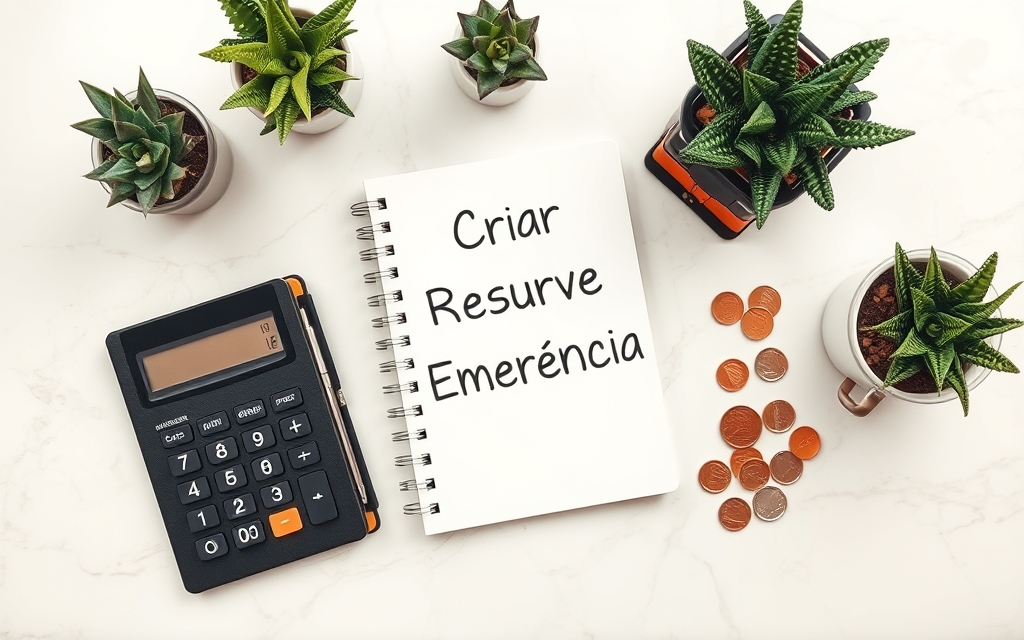
When we think about personal finance, one of the first things that comes to mind is the importance of having an emergency fund. This is because unexpected events can arise at any time in our daily lives, such as an unforeseen bill or job loss. An emergency fund serves as a financial cushion, allowing you to cover these expenses without having to resort to loans or compromise other financial goals. For example, if you earn $5,000 per month and have fixed expenses of $3,000, it’s important to start saving a portion of that amount for a reserve.
Identifying Expenses
To create an emergency fund, it’s essential to understand where your money is going. This means tracking all your expenses, from morning coffee to your electricity bill. A tip is to write down all expenses in a notebook or use a personal finance app to get a clear view of your financial situation. Practical tip: Use an app like FinMoovi to record your expenses and have more precise control of your finances. This way, you can identify areas where you can cut spending and redirect that money to your emergency fund.
Setting Goals
Once you have a clear idea of your expenses and income, it’s time to set goals for your emergency fund. Generally, it’s recommended to have between 3 to 6 months of expenses covered by this reserve. For example, if your monthly expenses are $3,000, your goal could be to save between $9,000 and $18,000. This may seem like a high amount, but starting with smaller goals and gradually increasing them can make the process more manageable. Additionally, it’s important to remember that this reserve is not for impulsive purchases or to finance non-essential projects, but rather to protect your financial well-being in times of need.

Saving Strategies
Now that you have a goal, it’s time to start saving. An effective strategy is the 50/30/20 rule: 50% of your income for essential expenses, 30% for wants, and 20% for savings and debts. If you earn $5,000, this means $2,500 should go to essential expenses, $1,500 for wants, and $1,000 for savings. Practical tip: Set up an automatic transfer from your checking account to your savings or investment account on the day you receive your salary, to ensure you’re saving before spending. Additionally, consider opening a specific savings account for your emergency fund, to keep these funds separate from your daily spending money.
Managing Your Reserve
Once you have your emergency fund, it’s important to manage it effectively. This means not only saving but also ensuring your funds are accessible when needed. One option is to keep your reserve in a high-liquidity account, such as a savings account or a short-term investment fund. Additionally, it’s crucial to regularly review the size of your reserve and adjust it according to changes in your financial situation, such as a salary increase or new financial responsibilities.

Start Today
Now that you have a clear idea of how to create and manage an emergency fund, it’s time to put these tips into practice. Remember that every small step counts, and starting to save, even a small amount, is better than nothing. With dedication and discipline, you can build a solid emergency fund that protects you in times of financial uncertainty.

The next step is yours. Try FinMoovi free for 7 days and discover where your money is really going.



Comentários
Comentários serão ativados em breve. Volte depois!
Comentários via GitHub Discussions. Faça login com sua conta GitHub para participar.