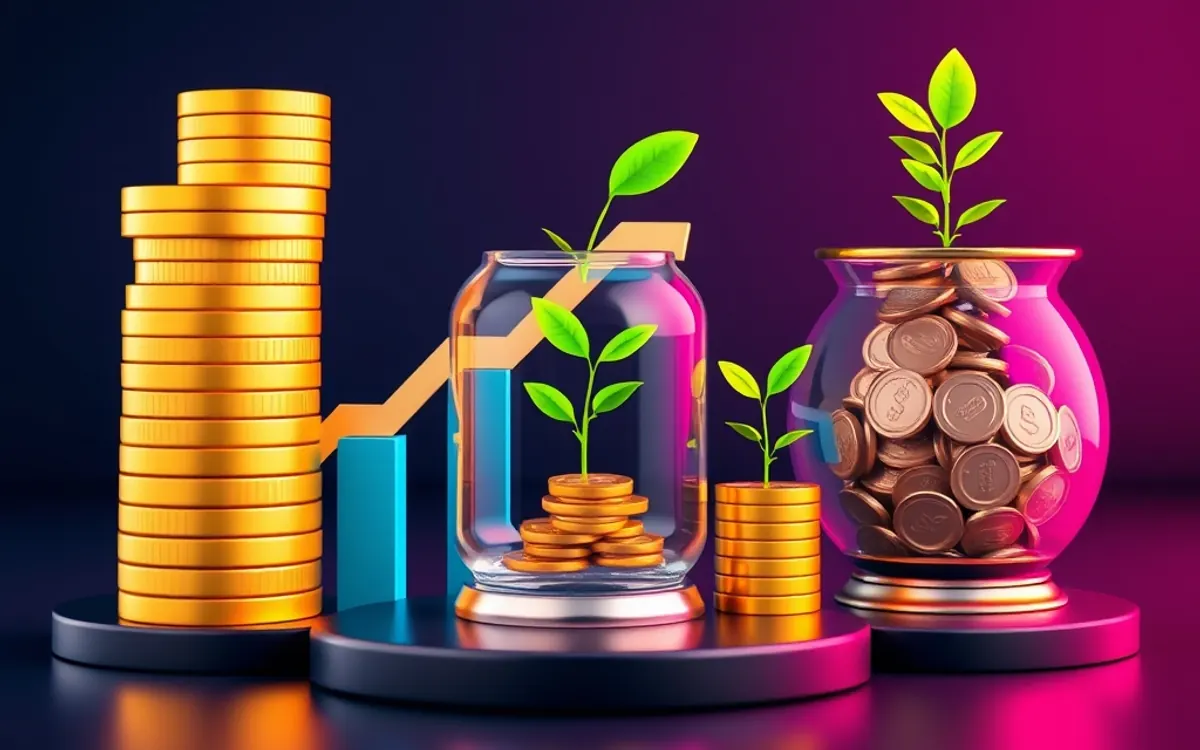
What high yield really means
Imagine you’re looking at a savings account that pays 0.5 % a year, and at the same time you see a bond promising 6 % annual return. The difference is what investors call high yield – basically any investment that offers a noticeably higher interest or dividend than the “safe” options you’re used to. In plain language, it’s the “extra” you get for taking on a bit more risk.
High‑yield assets can be anything from corporate bonds of companies with lower credit ratings, to dividend‑paying stocks, peer‑to‑peer loans, or even certain real‑estate funds. The key point is that the promised return is higher than the market average, but that higher return comes with a higher chance that the issuer might default or the price might swing more wildly.
Where you see high yield in everyday life
You don’t need a Wall Street degree to run into high‑yield products. Here are the most common places they pop up:
- Corporate bonds from companies that aren’t “AAA‑rated” but still generate solid cash flow.
- High‑yield dividend stocks that pay a larger slice of profit each quarter.
- Peer‑to‑peer (P2P) lending platforms where you fund personal loans and earn interest directly from borrowers.
- Real‑estate crowdfunding that promises a share of rental income or property appreciation.
Each of these can look attractive when you compare the numbers to a regular savings account, especially if you’re trying to grow the money you set aside for a big goal, like a down‑payment on a house or a year‑long travel plan.
Risks you can’t ignore
Higher returns don’t come for free. The “high” part of high yield is a reminder that the investment is more volatile or less secure. Here are the main risks, explained without jargon:

- Credit risk – the issuer might fail to pay back the interest or principal. Think of it like a friend who promises to repay a loan but suddenly loses their job.
- Market risk – the price of the asset can drop because of broader economic swings, even if the issuer is still paying interest.
- Liquidity risk – you might not be able to sell the investment quickly without taking a loss, similar to trying to sell a used car in a small town.
Because of these risks, it’s crucial to keep high‑yield assets as a part of a balanced portfolio, not the whole picture.
How FinMoovi helps you track high‑yield investments
Now picture this: you’ve just bought a few high‑yield bonds and a dividend‑paying stock, but you’re juggling receipts, bank statements, and a spreadsheet that never seems to add up. FinMoovi makes that chaos disappear with a single feature that feels like a friend handing you a notebook that writes itself.
- Smart capture – Snap a photo of the broker’s confirmation or speak the details aloud, and FinMoovi instantly extracts the amount, date, and type of investment. No more manual entry.
- Automatic categorization – The app knows you just bought a “high‑yield bond” and tags it accordingly, so you can see at a glance how much of your portfolio is in high‑yield assets.
- Multi‑currency support – Whether your bond pays in euros, your dividend comes in dollars, or you’re tracking a local currency, FinMoovi converts everything to a single view, letting you compare apples to apples.
- Cash‑flow reports – See the expected interest payments month by month, and how they affect your overall cash flow.
- Monthly planning & goals – Set a goal like “earn an extra 5 % of my monthly rent from high‑yield assets” and watch the app show you how close you are.
All of this happens offline too, so you can capture a receipt on a train without Wi‑Fi, and the data syncs later.
Practical tips to get the most out of high yield
Practical tip: Diversify within the high‑yield space. Don’t put all your extra‑interest money into one corporate bond; spread it across a few bonds, a dividend stock, and maybe a small P2P loan. This reduces the impact if one issuer defaults.
Practical tip: Reinvest the interest you receive. Use FinMoovi’s “auto‑reinvest” reminder to automatically allocate each interest payment into a new high‑yield asset, compounding your earnings over time.
Practical tip: Set a “stop‑loss” alert. In the app’s reminders section, create a rule that notifies you if a high‑yield bond’s rating drops by one notch or if a dividend stock cuts its payout. That way you can act before the loss becomes permanent.
Other helpful habits:
- Review the cash‑flow report every month to confirm the interest you expected actually landed in your account.
- Use the shopping mode to plan a big purchase (like a new laptop) and see how much of your high‑yield earnings can cover it without touching your emergency fund.
- Keep an eye on the balance alerts; if a high‑yield asset’s value falls below a threshold you set, FinMoovi will ping you.
By treating high‑yield investments as a tool—not a gamble—you can boost your savings without jeopardizing your financial stability.
Start today
Got five minutes? Open FinMoovi, tap the + button, choose “Add investment,” and use the voice capture to say: “Bought $2,000 of high‑yield corporate bond, 5 % annual, matures in 2029.” The app will auto‑fill the details, categorize it, and show the expected monthly interest right away. You’ll instantly see how that extra cash fits into your monthly budget and your goal of earning an extra month’s rent in passive income.
That’s it – a tiny action that puts a high‑yield asset under your control and starts feeding the data FinMoovi needs to keep you on track. Happy investing!
💬 Comments
Share your thoughts — no sign-up needed.
Loading comments…