
What are Bull Market and Bear Market?
When it comes to investments, it’s common to hear the terms “Bull Market” and “Bear Market”. These terms are used to describe the trends of the stock market and can influence your investment decisions.
Bull Market
A Bull Market is a period when the stock market is on the rise, with stock prices consistently going up. This usually happens during periods of economic growth, when companies are generating profits and people are optimistic about the future. During a Bull Market, investors tend to buy more stocks, which increases demand and, consequently, prices.

For example, imagine you bought 100 shares of company XYZ for $7.50 each (approximately R$ 50). If the market is on the rise and the stock price goes up to $11.25 (approximately R$ 75), you’ll have a profit of $3.75 per share, or a total of $375.
Bear Market
A Bear Market, on the other hand, is a period when the stock market is on the decline, with stock prices consistently going down. This usually happens during periods of economic recession, when companies are facing difficulties and people are pessimistic about the future. During a Bear Market, investors tend to sell their stocks, which increases supply and, consequently, prices drop.
For example, if you bought 100 shares of company XYZ for $7.50 each (approximately R$ 50) and the price drops to $4.50 (approximately R$ 30), you’ll have a loss of $3 per share, or a total of $300.
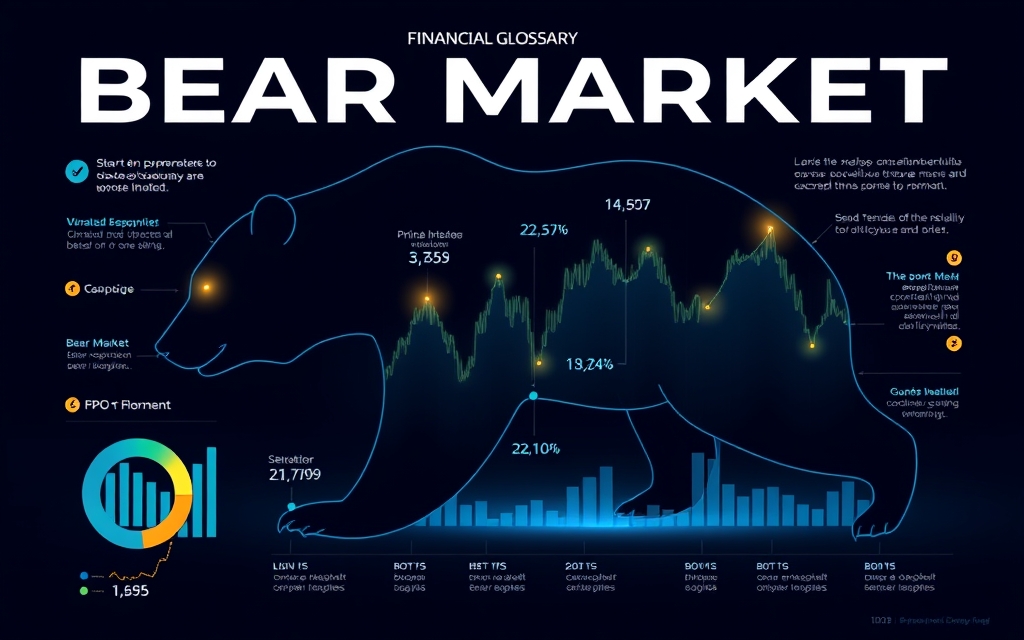
Comparison between Bull Market and Bear Market
Here’s a comparative table between the two:
| Bull Market | Bear Market | |
|---|---|---|
| Market trend | High | Low |
| Investor sentiment | Optimism | Pessimism |
| Stock prices | Rising | Falling |
| Demand | High | Low |
| Supply | Low | High |
In summary, it’s essential to understand the differences between Bull Market and Bear Market to make informed decisions about your investments. If you’re investing during a Bull Market, it’s likely that your stocks will increase in value. However, if you’re investing during a Bear Market, it’s likely that your stocks will lose value. It’s always important to diversify your investments and have a long-term plan to minimize risks.
💬 Comments
Share your thoughts — no sign-up needed.
Loading comments…